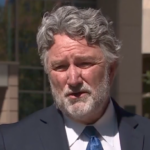
A DUI arrest in Colorado Springs during Spring Break can have immediate consequences on your driving privileges. The Law Firm of Mark S. Hanchey and Ben Peterson understands the urgency and complexity of these situations. Colorado law enforces administrative license actions that can suspend or revoke your license even before criminal proceedings are resolved. Understanding how the administrative and criminal processes interact, along with the steps you can take to protect your driving privileges, is essential for anyone facing a DUI. This guide breaks down the initial impact on your license, the process for challenging it, and strategies for minimizing long-term consequences.


Immediate Impact on Your Driving Privileges 
When you are arrested for DUI in Colorado, the Department of Motor Vehicles (DMV) can issue an administrative license suspension (ALS) almost immediately. This is separate from the criminal court proceedings and serves as a preventative measure to keep potentially impaired drivers off the road. The administrative process is automatic if your blood alcohol concentration (BAC) measures 0.08% or higher or if you refuse chemical testing. Within days of your arrest, the DMV may send a Notice of Suspension detailing the timeframe of the suspension and the legal steps you can take to challenge it. Prompt action is critical, as failing to request a hearing within the statutory period may result in automatic enforcement of the suspension.
Understanding the Administrative License Suspension (ALS)
The ALS is an administrative remedy designed to act swiftly, and it is governed by a strict set of rules under Colorado law. Once you receive a Notice of Suspension, you generally have 7 to 14 days to request a formal hearing. During this hearing, a DUI attorney can question the legality of the traffic stop, evaluate the procedures used for chemical testing, and challenge the validity of the arrest itself. The hearing does not involve a judge presiding over criminal charges; it is strictly an administrative evaluation of whether the suspension was appropriately issued. A successful challenge can delay or prevent the suspension from taking effect, giving you time to defend against criminal charges while preserving your driving privileges.
Consequences for First-Time DUI Offenders
Even a first DUI can have serious effects on your ability to drive. Depending on your BAC level and whether you refused testing, consequences include:
- A license suspension ranging from nine months for a BAC of 0.08% to 0.159%.
- Mandatory installation of an ignition interlock device upon license reinstatement.
- Potential extension of suspension periods for test refusals or higher BAC levels.
- Additional administrative fees and reporting requirements to the DMV.
When you need legal help, Mark Hanchey and Ben Peterson are here to guide you through it all. One step at a time. Reach out today for legal support. Get The Law Firm of Mark S. Hanchey and Ben Peterson fighting for you.
With You Every Step of the Journey
The Impact of Refusing a Chemical Test
Refusing a breath, blood, or urine test is treated very seriously under Colorado’s implied consent laws. A first-time refusal results in a mandatory one-year revocation, which can complicate the criminal defense process. It also shifts the legal landscape, as prosecutors may use the refusal as evidence of consciousness of guilt. Legal representation at this stage is critical to explore options such as restricted driving permits, hardship licenses, or strategies to challenge procedural errors that could impact the revocation.
Steps to Protect Your Driving Privileges
Taking immediate and deliberate action is essential to minimize the effect of a DUI on your license. Recommended steps include:
- Contacting a Colorado Springs DUI lawyer as soon as possible.
- Requesting a DMV administrative hearing within the required timeframe.
- Collecting evidence from the traffic stop, including officer notes, dashcam or bodycam footage, and any witness statements.
- Investigating eligibility for temporary or restricted licenses to maintain essential driving privileges.
- Coordinating your administrative defense with any ongoing criminal defense strategy to protect both your license and your record.
Criminal vs. Administrative Proceedings
It is important to understand that the administrative license suspension and the criminal DUI case are separate processes. The DMV suspension focuses solely on the status of your driving privileges, while criminal charges can result in fines, jail time, probation, and long-term records. Even if you succeed in preventing an ALS, you may still face criminal consequences. Conversely, a favorable criminal outcome does not automatically restore a suspended license. The Law Firm of Mark S. Hanchey and Ben Peterson works to manage both aspects simultaneously, ensuring your rights are protected at each stage.
Bridgette Carabajal I've had the pleasure of working with Mr. Hanchey on two occasions, and each interaction has been nothing short of exceptional. His professional demeanor, coupled with the outstanding support from his staff significantly alleviated any anxieties I had. I am thoroughly satisfied with the outcomes achieved. Should the need for legal representation arise in the future, Mr. Hanchey will undoubtedly be my first choice. Lucas Garcia Mark Hanchey has been excellent. I spoke with him last minute before my court date. He still showed up to court with me and was very caring and helped me before I had even officially hired him. I felt like he cared about me and my case. He knows his craft very well and you can tell that the judge and other attorneys respect him when he is in court. He is also very kind. I recommend him to anyone. An excellent attorney. Renee Braucht I had an amazing experience with the Hanchey Law Firm! Mr. Hanchey got me the absolute best result I could have imagined for my case. I can’t even tell you how many times I’ve heard, “wow, you must have had a really good lawyer!” when discussing the result. I live far from Colorado Springs, but I will forever make the trip for this firm when I need them! Highly recommend! David Walker I have needed to use a lawyer a couple of times over the past several years and have used Mark Hanchey. He is a very down to earth person who has always treated me with dignity and has always been straight forward. His staff has also been professional and friendly. Each time I used Mark Hanchey the result was a positive one. I also think his fees are reasonable. I cant say enough good about Mark Hanchey.
Insurance and Long-Term Consequences
A DUI conviction or suspension can have ripple effects beyond your immediate driving privileges. Insurance premiums typically rise significantly, and a DUI can remain on your driving record, affecting future applications for employment or licensing. Early intervention through legal representation can sometimes reduce the severity of penalties, allow for restricted driving privileges, and mitigate long-term insurance or employment impacts. Understanding these implications helps you make informed decisions immediately after a DUI arrest.
Navigating DMV Hearings Effectively
The success of an administrative hearing often hinges on preparation and representation. A lawyer can evaluate whether the traffic stop was lawful, review chemical test administration procedures, and examine whether officers complied with standard protocols. Presenting this evidence effectively can influence the DMV to delay, reduce, or even dismiss the license suspension. Failing to act promptly, on the other hand, typically results in automatic enforcement, leaving you without recourse.
Tips for First-Time Offenders
For individuals arrested for a first DUI, several proactive measures can make a significant difference:
- Attend all scheduled hearings and comply with court or DMV requests.
- Avoid admitting guilt or making statements without legal counsel present.
- Gather documentation, including proof of participation in alcohol education or counseling programs.
- Explore options for restricted licenses that allow essential commuting to work or school.
Why Legal Guidance Matters
DUI arrests, particularly during high-traffic periods like Spring Break, demand immediate attention and expert navigation. The Law Firm of Mark S. Hanchey and Ben Peterson provides comprehensive DUI defense, including guidance on administrative hearings, criminal defense, and license reinstatement. Experienced representation ensures that both procedural rights and long-term driving privileges are prioritized.
Internal Links for Additional Resources
Learn more about managing DUI consequences through relevant guidance on First-Time DUI Offenders: What to Expect, Understanding Underage DUI Legal Consequences and Defense Options, and How to Support Your Teen After an Underage DUI Arrest in Colorado.
Final Advice
A DUI arrest in Colorado Springs requires immediate action to protect your license and minimize long-term consequences. The Law Firm of Mark S. Hanchey and Ben Peterson offers experienced guidance and a free consultation to help you understand your options and safeguard your driving privileges. Do not wait; early intervention can make a critical difference in outcomes and long-term consequences.
Disclaimer
This information is provided for educational purposes only and does not constitute legal advice. Contact an attorney for guidance specific to your situation.