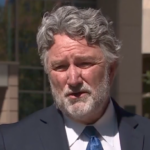
Summer traffic in Colorado Springs can turn a normal motorcycle ride into a serious crash in seconds, especially near I-25, Powers Boulevard, Garden of the Gods Road, downtown event areas, and routes leading toward mountain recreation. If you are injured, your first priorities are medical care, crash documentation, and protecting yourself from insurance pressure. Colorado law can reduce or bar compensation when fault is disputed, so the details gathered early can matter. The Law Firm of Mark S. Hanchey and Ben Peterson helps injured riders understand their options after a Colorado Springs motorcycle accident.




Why Summer Motorcycle Crashes Can Be Different in Colorado Springs 
Summer brings more motorcycles, visitors, road construction, and weekend traffic across Colorado Springs, Colorado. Riders may be commuting, heading toward the foothills, traveling through Old Colorado City, or sharing crowded roads with drivers who are unfamiliar with local traffic patterns. A driver who makes a rushed left turn, drifts while checking GPS, follows too closely, or fails to see a motorcycle at an intersection can cause injuries that change the rider’s life.
Motorcycle crash claims are also different because riders often face unfair assumptions. An insurance adjuster may suggest the rider was speeding, weaving, or taking unnecessary risks before all evidence has been reviewed. That can happen even when the rider had the right of way and the driver simply failed to look.
If you were hurt during peak summer traffic, treat the crash like a serious legal and medical event from the start. That does not mean every case becomes a lawsuit. It means you should preserve the facts before traffic cameras, witness memories, vehicle damage, and physical evidence disappear.
Get Medical Help Right Away
After a motorcycle crash, adrenaline can hide pain. Some injuries are obvious, such as fractures, road rash, deep cuts, or head trauma. Others may appear hours or days later, including concussions, internal injuries, neck pain, back injuries, shoulder damage, and nerve symptoms.
Get checked by emergency medical personnel or a doctor as soon as possible. Follow the treatment plan and attend follow-up appointments. Medical records help connect your injuries to the crash. Gaps in care can give an insurance company room to argue that your injuries are not as serious as you say or came from something else.
When you need legal help, Mark Hanchey and Ben Peterson are here to guide you through it all. One step at a time. Reach out today for legal support. Get The Law Firm of Mark S. Hanchey and Ben Peterson fighting for you.
With You Every Step of the Journey
Call Law Enforcement and Request a Crash Report
A police report is not the entire case, but it can be a key starting point. Officers may document driver statements, witness information, citations, roadway conditions, lane positions, and visible injuries. During summer congestion, a report can help establish what happened before vehicles are moved and traffic resumes.
When you speak with the officer, be factual. Avoid guessing about speed, distance, or fault. If you do not know an answer, say that you do not know. Do not minimize your injuries by saying you are fine when you are shaken or in pain.
Gather Evidence Before It Is Gone
If you can safely do so, collect information at the scene. If you are too injured, ask a passenger, friend, or witness to help.
Useful evidence may include:
Photos of all vehicles from multiple angles
Photos of the motorcycle before it is moved
The driver’s license, insurance, and license plate information
Names and phone numbers of witnesses
The exact crash location and nearby businesses
Traffic signals, signs, skid marks, debris, and lane markings
Your damaged helmet, riding gear, boots, and gloves
Dashcam, helmet cam, doorbell, or business surveillance possibilities
Do not repair or sell your motorcycle, helmet, or gear until you have spoken with an attorney. Damage patterns may help explain how the crash happened and how hard the impact was.
Be Careful With Insurance Calls
Insurance companies often reach out quickly after a crash. The other driver’s insurer may sound polite and helpful, but its job is to limit what it pays. You may be asked for a recorded statement, a broad medical authorization, or an early settlement before the full extent of your injuries is known.
You can report the crash to your own insurer, but keep the conversation factual. Do not speculate. Do not agree that you were partly at fault if you are unsure. Do not sign releases without understanding what rights you may be giving up.
A common problem in motorcycle cases is an early offer that does not account for future treatment, time away from work, physical therapy, pain, scarring, or the effect of injuries on riding, work, and daily life. For more guidance on injury claims, see the firm’s Colorado Springs personal injury lawyers page at https://hancheylaw.com/colorado-springs-personal-injury-lawyers/.
Bridgette Carabajal I've had the pleasure of working with Mr. Hanchey on two occasions, and each interaction has been nothing short of exceptional. His professional demeanor, coupled with the outstanding support from his staff significantly alleviated any anxieties I had. I am thoroughly satisfied with the outcomes achieved. Should the need for legal representation arise in the future, Mr. Hanchey will undoubtedly be my first choice. Lucas Garcia Mark Hanchey has been excellent. I spoke with him last minute before my court date. He still showed up to court with me and was very caring and helped me before I had even officially hired him. I felt like he cared about me and my case. He knows his craft very well and you can tell that the judge and other attorneys respect him when he is in court. He is also very kind. I recommend him to anyone. An excellent attorney. Renee Braucht I had an amazing experience with the Hanchey Law Firm! Mr. Hanchey got me the absolute best result I could have imagined for my case. I can’t even tell you how many times I’ve heard, “wow, you must have had a really good lawyer!” when discussing the result. I live far from Colorado Springs, but I will forever make the trip for this firm when I need them! Highly recommend! David Walker I have needed to use a lawyer a couple of times over the past several years and have used Mark Hanchey. He is a very down to earth person who has always treated me with dignity and has always been straight forward. His staff has also been professional and friendly. Each time I used Mark Hanchey the result was a positive one. I also think his fees are reasonable. I cant say enough good about Mark Hanchey.
How Fault Works in a Colorado Motorcycle Accident
Colorado uses a comparative negligence system in personal injury cases. In plain language, fault can be divided between the parties. If an injured person is found partly responsible, compensation may be reduced by that percentage. If the injured person’s fault reaches the legal threshold that prevents recovery, the claim can fail. Colorado law provides that damages are reduced in proportion to the injured person’s negligence, and recovery can be barred when the injured person’s negligence is equal to or greater than the negligence of the person being sued.
In a summer motorcycle crash, fault disputes may involve:
A driver turning left across the rider’s path
A lane change into a motorcycle’s space
A rear-end crash in stop-and-go traffic
A rideshare, delivery, or tourist driver distracted by navigation
Debris, road work, loose gravel, or poor lane markings
Speed allegations against the rider
Claims that the motorcycle was hard to see
An attorney may review photos, crash reports, medical records, repair estimates, witness statements, and available video. In more serious cases, accident reconstruction or expert testimony may help explain speed, impact angle, braking, visibility, and reaction time. The firm also has resources on expert issues in motorcycle cases at https://hancheylaw.com/the-role-of-expert-witnesses-in-colorado-motorcycle-accident-trials/.
Colorado Motorcycle Safety Rules Can Come Up
Insurance companies may ask whether you wore a helmet, eye protection, or other gear. Colorado does not require riders age 18 and older to wear helmets, but riders and passengers under 18 must wear DOT-approved helmets, and eye protection is required for riders and passengers.
Not wearing a helmet does not automatically mean you caused the crash. It may still become part of an insurance dispute, especially if a head injury is involved. A lawyer can help separate crash fault from injury arguments and push back when an insurer uses stereotypes about motorcyclists instead of evidence.
Watch the Deadline, but Do Not Wait
Colorado motor vehicle injury cases are subject to legal deadlines. Claims involving bodily injury or property damage from the use or operation of a motor vehicle are listed under Colorado’s limitations statute. Waiting too long can make evidence harder to find and may affect your ability to bring a claim.
The better approach is to speak with an attorney once your immediate medical needs are stable. Early legal help can preserve video, contact witnesses, manage insurance communication, and help you avoid mistakes that weaken the claim.
What Compensation May Include
Every case depends on the facts, injuries, insurance coverage, and available evidence. A motorcycle accident claim may include compensation for:
Emergency care and hospital bills
Surgery, physical therapy, medication, and follow-up care
Future medical treatment
Lost income and reduced earning ability
Motorcycle repair or replacement
Pain, suffering, inconvenience, and physical limitations
Scarring, disfigurement, or permanent impairment
Losses affecting daily activities and family life
A fair claim should be considered more than the first medical bill. If you cannot work, cannot ride, need help at home, or face months of treatment, those realities should be documented clearly.
Common Mistakes After a Summer Motorcycle Crash
Many riders unintentionally hurt their claims because they are trying to move forward quickly. Avoid posting crash details on social media, giving a recorded statement too early, accepting quick payment before future care is known, missing medical appointments, throwing away damaged gear, assuming the police report tells the whole story, or waiting until witnesses and video are gone.
If the crash involved another type of vehicle, related information may also be helpful. The firm’s Colorado Springs car accident lawyers page at https://hancheylaw.com/colorado-springs-car-accident-lawyers/ explains issues that often overlap with motorcycle collision claims, including insurance disputes and injury documentation.
When to Contact a Motorcycle Accident Lawyer
You should consider legal help if you suffered more than minor soreness, missed work, needed emergency care, were blamed for the crash, or are being pressured by an insurance company. You should also speak with an attorney if the driver was uninsured, underinsured, distracted, impaired, working at the time, or driving a commercial vehicle.
A Colorado Springs motorcycle accident lawyer can investigate the crash, preserve evidence, identify insurance coverage, communicate with adjusters, calculate medical and wage losses, prepare a settlement demand, and file a lawsuit when negotiations do not resolve the claim.
For motorcycle-specific help, visit the firm’s Colorado Springs motorcycle accident lawyers page at https://hancheylaw.com/colorado-springs-motorcycle-accident-lawyers/. You can also contact the firm directly at https://hancheylaw.com/contact/.
Speak With a Colorado Springs Motorcycle Accident Attorney
A motorcycle crash during peak summer traffic can leave you dealing with pain, bills, transportation problems, and uncertainty about what comes next. You do not have to sort through insurance calls and legal deadlines alone.
The Law Firm of Mark S. Hanchey and Ben Peterson offers free consultations for injured people in Colorado Springs, Colorado. Contact the firm to discuss your motorcycle crash, your medical treatment, and the next steps that may help protect your recovery.
This article is for informational purposes only and is not legal advice. Consult an attorney about your specific situation.