Halloween weekend in Colorado Springs brings an increase in law enforcement activities, especially sobriety checkpoints. These checkpoints are set up to reduce driving under the influence of alcohol and drugs, ensuring the safety of everyone on the road. While these checkpoints are a common sight during holidays like Halloween, it’s important to know how they operate and what your rights are if you are stopped. Understanding the laws surrounding sobriety checkpoints in Colorado can help you navigate these stops with confidence and avoid making mistakes that could result in penalties or criminal charges.
How Sobriety Checkpoints Work in Colorado Springs 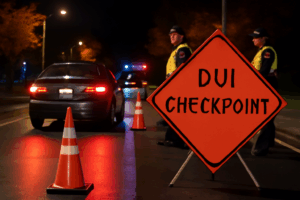
Sobriety checkpoints are a tool used by law enforcement to catch drivers who are operating a vehicle under the influence of alcohol or drugs. They are typically set up in areas with high traffic during peak hours, such as Halloween weekend when people are attending parties and events. While these checkpoints may seem intimidating, they are legal under Colorado law as long as they follow certain procedures. These procedures include providing proper signage to alert drivers about the checkpoint, setting up the checkpoint in a manner that ensures it’s safe for both officers and drivers, and conducting the stop in a fair and non-discriminatory manner.
At the checkpoint, officers will ask drivers to stop and will usually request their driver’s license, registration, and proof of insurance. They will also look for signs of impairment, such as slurred speech, the smell of alcohol, or an unsteady demeanor. If there are no signs of impairment, you are likely to be sent on your way without further interaction. However, if the officer suspects you are intoxicated, they may ask you to step out of the vehicle and perform a series of field sobriety tests or a breathalyzer test.
What to Expect When Stopped at a Sobriety Checkpoint
When you approach a sobriety checkpoint, the first thing you should do is remain calm and follow the instructions of the officer. Typically, the officer will ask you to stop and present your documents. It is important to remain polite and cooperative, as being argumentative or uncooperative can escalate the situation.
The officer may ask questions about where you’ve been, where you’re going, or whether you’ve had anything to drink. While you are required to provide your driver’s license, registration, and proof of insurance, you are not obligated to answer any questions about your activities, including whether you have been drinking. Politely decline to answer any such questions if you don’t feel comfortable doing so.
If the officer detects signs of impairment, they may ask you to step out of the vehicle and undergo a field sobriety test. Field sobriety tests are typically a series of physical tasks meant to assess your coordination and motor skills. You have the right to refuse these tests, but be aware that refusing could lead to further suspicion and potential arrest. If you’re asked to take a breathalyzer test, you must comply under Colorado’s express consent law. Refusing to take the test can result in the immediate suspension of your driver’s license and other penalties.
Your Rights at a Sobriety Checkpoint
It’s essential to know your rights when stopped at a sobriety checkpoint. You have the right to remain silent. While it’s important to cooperate with the officer in terms of providing identification and vehicle documents, you do not have to answer any questions beyond that. Officers may ask you whether you have been drinking, but you are not required to respond. If you are not comfortable answering these questions, you can politely inform the officer that you wish to remain silent.
You also have the right to refuse a field sobriety test. However, refusing a field sobriety test could lead to further scrutiny and might result in arrest. Field sobriety tests include tasks like walking in a straight line, standing on one leg, or following an officer’s finger with your eyes. If you feel that you cannot perform these tests accurately, you are within your rights to refuse. Be aware, however, that a refusal may not prevent the officer from taking further action, such as arresting you if they have probable cause to believe you are impaired.
Under Colorado’s express consent law, you are required to submit to a breathalyzer test if an officer requests it. Refusing a breathalyzer test can result in the immediate suspension of your driver’s license for up to one year. The officer will inform you of this consequence when they ask you to take the test. While you have the right to refuse, the penalties for refusal are significant and can affect your ability to drive.
If you are arrested, you have the right to legal counsel. This means that you can request to speak with an attorney before making any statements to law enforcement. You do not have to answer questions about your drinking or your activities until you have consulted with a lawyer. It’s always a good idea to have an experienced attorney who understands DUI laws in Colorado Springs to help guide you through the legal process if you find yourself facing charges.
What Happens After a DUI Arrest in Colorado Springs
If you are arrested for DUI at a sobriety checkpoint, the officer will take you into custody and request that you submit to a chemical test (blood, breath, or urine). If you refuse the chemical test, you may face immediate penalties, including a suspension of your driver’s license. If you take the test and your blood alcohol content (BAC) is 0.08% or higher, you could be charged with driving under the influence.
The penalties for a DUI conviction in Colorado can be severe, including fines, license suspension, mandatory alcohol education classes, and even jail time. The severity of the penalties depends on various factors, such as whether it is your first offense and whether there were any aggravating circumstances, such as having a child passenger or causing an accident while intoxicated. If you are arrested for DUI, it’s crucial to consult an experienced DUI defense attorney who can help you navigate the legal system and work to reduce the consequences you face.
Understanding DUI Checkpoints and Your Rights
While DUI checkpoints are a powerful tool used by law enforcement to deter impaired driving, they can feel invasive. Knowing your rights and understanding what to expect when stopped can help you avoid making mistakes that could lead to legal consequences. Sobriety checkpoints are designed to keep Colorado Springs roads safe, but it’s important to know how to handle the situation if you find yourself in a checkpoint stop.
Remember, you have the right to remain silent and the right to refuse field sobriety tests. You are required to submit to a breathalyzer test, but refusing this test will lead to significant penalties. If you are arrested, it’s essential to contact a knowledgeable DUI attorney to protect your rights and explore your legal options.
How an Experienced Attorney Can Help
If you are facing DUI charges after being stopped at a Halloween weekend sobriety checkpoint in Colorado Springs, the Law Firm of Mark S. Hanchey and Ben Peterson is here to help. Our team of experienced attorneys is dedicated to defending individuals charged with DUI offenses and will work tirelessly to protect your rights. From understanding the legal implications of your charges to negotiating a reduced sentence, our team will be with you every step of the way.
If you’ve been arrested for DUI or have questions about your rights at a sobriety checkpoint, contact the Law Firm of Mark S. Hanchey and Ben Peterson today for a free consultation. Visit https://hancheylaw.com to learn more about how we can assist you in your DUI defense.
To learn more about this subject click here: DUI Checkpoints in Colorado: What Drivers Should Know About Legal Rights and Defense