
Colorado Springs DUI Lawyers
Serving the state of Colorado

Serving the state of Colorado
Bridgette Carabajal

I've had the pleasure of working with Mr. Hanchey on two occasions, and each interaction has been nothing short of exceptional. His professional demeanor, coupled with the outstanding support from his staff significantly alleviated any anxieties I had. I am thoroughly satisfied with the outcomes achieved. Should the need for legal representation arise in the future, Mr. Hanchey will undoubtedly be my first choice.
Lucas Garcia
Mark Hanchey has been excellent. I spoke with him last minute before my court date. He still showed up to court with me and was very caring and helped me before I had even officially hired him. I felt like he cared about me and my case. He knows his craft very well and you can tell that the judge and other attorneys respect him when he is in court. He is also very kind. I recommend him to anyone. An excellent attorney.
Renee Braucht
I had an amazing experience with the Hanchey Law Firm! Mr. Hanchey got me the absolute best result I could have imagined for my case. I can’t even tell you how many times I’ve heard, “wow, you must have had a really good lawyer!” when discussing the result. I live far from Colorado Springs, but I will forever make the trip for this firm when I need them! Highly recommend!
David Walker
I have needed to use a lawyer a couple of times over the past several years and have used Mark Hanchey. He is a very down to earth person who has always treated me with dignity and has always been straight forward. His staff has also been professional and friendly. Each time I used Mark Hanchey the result was a positive one. I also think his fees are reasonable. I cant say enough good about Mark Hanchey.
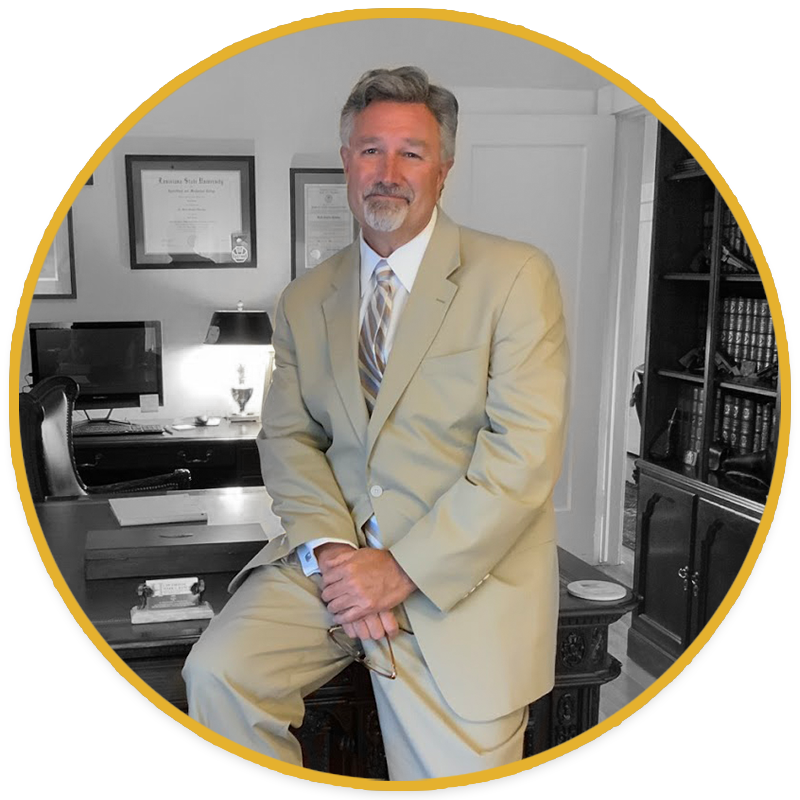
When you need legal help, Mark Hanchey and Ben Peterson are here to guide you through it all. One step at a time. Reach out today for legal support. Get The Law Firm of Mark S. Hanchey and Ben Peterson fighting for you
Free Consultation Download PDF
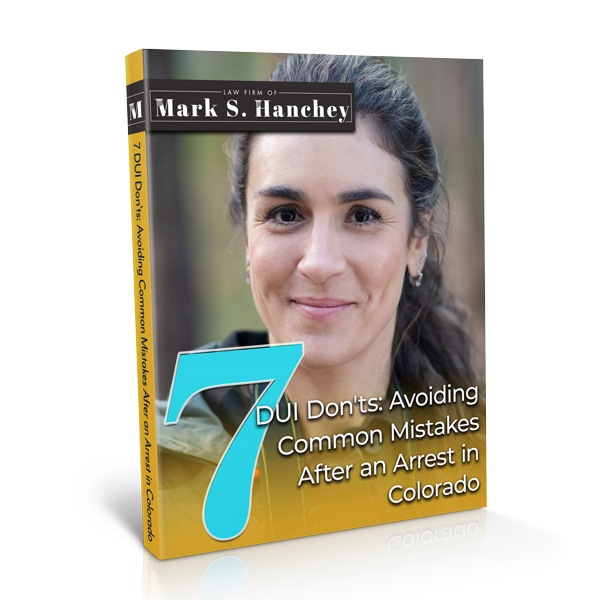
Learn what you need to avoid during your DUI case. Download our free PDF guide.
Related Videos
Related Blog Posts

Spring in Colorado Springs brings warmer weather, increased traffic, and more social gatherings, which often [...]

Spring events and festivals in Colorado Springs are popular social gatherings, drawing crowds to enjoy [...]

As spring arrives in Colorado, the warmer weather brings more outdoor activities and gatherings, but [...]

As spring arrives in Colorado, the warmer weather brings more outdoor activities and gatherings, but [...]

During Colorado’s winter holidays, the number of underage DUI stops and arrests sees a noticeable [...]

Winter weather in Colorado presents unique challenges when it comes to DUI (Driving Under the [...]
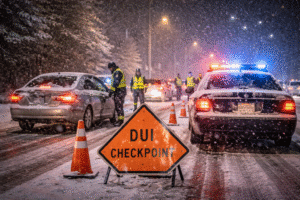
As winter sets in, drivers face many challenges on the roads, from icy patches to [...]

Valentine’s Day is typically a time for love and celebration, but for some, it can [...]
Answers to Your Frequently Asked Questions About DUI Charges in Colorado Springs
Here are some frequently asked questions and their answers to help you better understand the DUI process:This client story is for educational purposes only.
In the heart of Colorado Springs, Kenneth found himself facing the darkest hour of his life. It was a chilly evening when the flashing lights of the police car appeared in his rearview mirror, pulling him over for suspected DUI. Panic surged through Kenneth as he realized the gravity of the situation. As he sat in the back of the police car, the weight of his mistake settled heavily on his shoulders. Thoughts raced through his mind — the potential consequences, the shame of letting down his family, the fear of what lay ahead. It was a moment of despair unlike any other. But in the midst of his turmoil, Kenneth found a glimmer of hope. He remembered hearing about The Law Firm of Mark S. Hanchey and Ben Peterson, a team of dedicated attorneys known for their experience in DUI defense. With nothing to lose, Kenneth reached out to them for help. From the moment he met attorney Mark Hanchey, Kenneth felt a sense of reassurance wash over him. Mark listened attentively as Kenneth recounted the events of that fateful night, offering words of encouragement and support. With his guidance, Kenneth began to see a path forward, a chance to reclaim his life from the grips of uncertainty. With unwavering determination, Mark and his team dove headfirst into Kenneth’s case. They meticulously analyzed every detail, leaving no stone unturned in their quest for justice. Through countless hours of research and preparation, they built a compelling defense strategy aimed at securing Kenneth’s freedom. As the trial date approached, Kenneth’s nerves were frayed with anticipation. But standing by his side was Mark, a beacon of strength and resolve. With his experience and unwavering support, Mark instilled in Kenneth a newfound sense of confidence. And when the day of reckoning finally arrived, Kenneth stood before the judge, his fate hanging in the balance. But thanks to the tireless efforts of Mark and his team, justice prevailed. With a verdict of not guilty, Kenneth felt the weight of the world lift from his shoulders.In that moment of triumph, Kenneth realized the true power of hope and resilience. And he knew that none of it would have been possible without the guidance and support of attorney Mark Hanchey and The Law Firm of Mark S. Hanchey and Ben Peterson. With their help, Kenneth emerged from the darkness stronger than ever, ready to face whatever challenges lay ahead
Don’t wait to seek legal representation if you’ve been charged with a DUI. Contact The Law Firm of Mark S. Hanchey and Ben Peterson today to schedule your free consultation. Let us put our experience to work for you and fight to protect your rights and future. Your journey to justice starts here.
Hanchey has been amazing through the whole process of my case I have to say, he set my mind at ease through the whole process. I highly recommend him any day. He has gone above and beyond for me making sure I know everything.