As winter sets in, drivers face many challenges on the roads, from icy patches to reduced visibility. In Colorado Springs, hazardous winter conditions make it even more dangerous for those who choose to drive under the influence. The Law Firm of Mark S. Hanchey and Ben Peterson recognizes the significant uptick in DUI-related offenses during the colder months. As temperatures drop, impaired driving becomes even more dangerous, leading to a rise in accidents and legal consequences. Understanding how winter weather can lead to DUI arrests and license challenges is critical to protecting both your safety and your driving privileges.


The Hazards of Driving in Winter Conditions 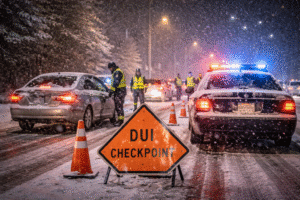
Winter road conditions are notorious for creating unsafe driving environments. When snow, sleet, and ice cover the streets, even the most experienced drivers struggle to maintain control of their vehicles. Add alcohol or drugs into the mix, and the risk of an accident multiplies exponentially. Drivers under the influence of alcohol or drugs already have impaired judgment and slower reaction times. When faced with slick roads, poor visibility, and decreased traction, it becomes much harder to navigate safely.
- Icy and Snowy Roads: Snow and ice on the roads dramatically reduce the amount of grip tires have on the pavement, making it harder for vehicles to stop, start, or steer effectively. Drivers who consume alcohol or drugs may not have the reflexes needed to adapt to these conditions quickly.
- Visibility Issues: Winter often brings reduced daylight and snowstorms that obscure drivers’ ability to see clearly. Poor visibility increases the chances of collisions, and for someone who is impaired, it can become nearly impossible to make necessary adjustments to avoid accidents.
- Cold Weather Fatigue: Cold temperatures also lead to fatigue, which is a major risk factor for impaired driving. Long hours behind the wheel, especially in inclement weather, can make drivers more prone to mistakes. When combined with the effects of alcohol, this fatigue makes for a dangerous combination on the road.
When you need legal help, Mark Hanchey and Ben Peterson are here to guide you through it all. One step at a time. Reach out today for legal support. Get The Law Firm of Mark S. Hanchey and Ben Peterson fighting for you.
With You Every Step of the Journey
How Winter Weather Increases DUI Arrests
The intersection of hazardous winter conditions and impaired driving significantly contributes to an increase in DUI-related arrests. Law enforcement agencies across Colorado Springs are aware of this trend, and they are particularly vigilant during the winter months when accidents are more likely. This vigilance means that individuals driving under the influence have a higher chance of being pulled over and arrested.
- Increased Enforcement: During the winter, law enforcement agencies ramp up their DUI patrols in response to the higher risk of accidents. This means that there are more officers on the road, increasing the likelihood of encountering a DUI checkpoint or being pulled over for erratic driving.
- The Role of Field Sobriety Tests: Officers are trained to identify impaired drivers even in low-visibility conditions. Field sobriety tests, such as walking in a straight line or balancing on one leg, may be conducted at the scene if an officer suspects a driver is intoxicated. Given the additional challenges of winter conditions, such as slippery roads, performing these tests can be even more difficult for individuals, especially if they have been drinking.
- Sobriety Checkpoints: During winter months, DUI checkpoints are commonly set up at strategic locations, especially near popular nightlife areas. These checkpoints are often used as a proactive measure to catch impaired drivers before they cause accidents.
Bridgette Carabajal I've had the pleasure of working with Mr. Hanchey on two occasions, and each interaction has been nothing short of exceptional. His professional demeanor, coupled with the outstanding support from his staff significantly alleviated any anxieties I had. I am thoroughly satisfied with the outcomes achieved. Should the need for legal representation arise in the future, Mr. Hanchey will undoubtedly be my first choice. Lucas Garcia Mark Hanchey has been excellent. I spoke with him last minute before my court date. He still showed up to court with me and was very caring and helped me before I had even officially hired him. I felt like he cared about me and my case. He knows his craft very well and you can tell that the judge and other attorneys respect him when he is in court. He is also very kind. I recommend him to anyone. An excellent attorney. Renee Braucht I had an amazing experience with the Hanchey Law Firm! Mr. Hanchey got me the absolute best result I could have imagined for my case. I can’t even tell you how many times I’ve heard, “wow, you must have had a really good lawyer!” when discussing the result. I live far from Colorado Springs, but I will forever make the trip for this firm when I need them! Highly recommend! David Walker I have needed to use a lawyer a couple of times over the past several years and have used Mark Hanchey. He is a very down to earth person who has always treated me with dignity and has always been straight forward. His staff has also been professional and friendly. Each time I used Mark Hanchey the result was a positive one. I also think his fees are reasonable. I cant say enough good about Mark Hanchey.
The Consequences of a DUI in Winter
If you are arrested for DUI during the winter months, the consequences can be severe and long-lasting. The effects on your driver’s license are immediate and can lead to challenges that are difficult to overcome. DUI arrests often result in fines, mandatory classes, and, in many cases, a suspension or revocation of your driver’s license. For those who rely on their vehicles for work, school, or family obligations, the consequences of losing a driver’s license can be devastating.
- License Suspension: One of the most immediate consequences of a DUI arrest is the suspension of your driver’s license. In Colorado, a first-time DUI offense can lead to a mandatory suspension of up to nine months. Drivers who are arrested for DUI in winter months face these suspensions just as they would in any other season, but winter weather makes the need for a valid license even more critical for those who need to navigate unsafe roads.
- Mandatory Driving Classes: Drivers convicted of a DUI often must attend alcohol education and treatment programs, which may be mandated by the court. These classes are designed to address the underlying issue of impaired driving, but they can take time and money away from an individual’s already busy life. This is especially difficult during the winter when individuals may already be struggling with other responsibilities.
- Increased Penalties for Repeat Offenders: For those with prior DUI convictions, the penalties can become more severe with each offense. Repeated DUI offenses lead to harsher license suspensions, longer treatment programs, and even the possibility of jail time. This can make it more challenging to get back on the road safely and legally.
- Insurance Costs: Even after a DUI conviction, drivers are often required to carry high-risk insurance, commonly known as SR-22 insurance. The costs of this insurance can be substantial, and they can last for several years, compounding the financial impact of the conviction.
Steps to Take After a DUI Arrest
If you are arrested for DUI during the winter months, it’s crucial to take immediate action to protect your rights and minimize the consequences. First and foremost, seek legal representation from an experienced DUI defense attorney. A qualified attorney can help you navigate the legal system, work toward minimizing penalties, and potentially reduce the duration of any license suspension. The Law Firm of Mark S. Hanchey and Ben Peterson specializes in DUI defense in Colorado Springs and is dedicated to providing comprehensive legal support during this challenging time.
- Appeal the Suspension: In Colorado, individuals who are arrested for DUI have the right to appeal the administrative suspension of their driver’s license. If this is done within a certain time frame, you may be able to avoid the suspension or at least reduce its duration.
- Complete Required Classes and Programs: To regain your license and avoid further penalties, you must complete any required alcohol education or treatment programs. Demonstrating your commitment to addressing the issues related to impaired driving can help you regain your driving privileges faster.
- Consider a Restricted License: In some cases, individuals who have had their license suspended may be eligible for a restricted license that allows them to drive to work, school, or medical appointments. This restricted license can be a critical lifeline for those who rely on their vehicles for essential activities.
What to Do to Prevent DUI Arrests in Winter
The best way to avoid DUI-related license challenges during the winter months is to refrain from driving while impaired. If you plan on drinking, make sure to have a designated driver or arrange for alternate transportation, such as a taxi or rideshare service.
- Stay Sober: If you plan on drinking, make sure you have a sober driver to get you home safely. Winter road conditions can make driving even more difficult, and alcohol can further impair your ability to drive safely.
- Use Public Transportation: If available, public transportation can be a reliable and safe alternative to driving during the winter months. This option ensures that you avoid the dangers of impaired driving while also removing the risk of a DUI arrest.
- Avoid Risky Driving Conditions: If you must drive, make sure to stay updated on weather and road conditions. Avoid driving in snowy or icy conditions if possible. If you must go out, take extra precautions, such as allowing additional time for travel and making sure your vehicle is winter-ready.
Winter road conditions in Colorado Springs bring unique challenges for all drivers, but they also create a heightened risk for DUI arrests and license challenges. The combination of hazardous weather, impaired driving, and the increased presence of law enforcement makes it more critical than ever to be cautious behind the wheel. If you are arrested for DUI during the winter months, it’s essential to seek legal guidance to protect your rights and work toward minimizing the impact on your license and your future.
The Law Firm of Mark S. Hanchey and Ben Peterson is here to help you navigate the legal complexities of a DUI arrest, offering expert representation and support. If you or a loved one is facing DUI-related challenges this winter, contact us today for a consultation.
To learn more about this subject click here: Understanding the Consequences of a First-Time DUI Offense in Colorado