As spring arrives in Colorado, the warmer weather brings more outdoor activities and gatherings, but it also signals an increase in DUI checkpoints across the state. Drivers need to be aware of these checkpoints and understand how they work to avoid potential legal trouble. At the Law Firm of Mark S. Hanchey and Ben Peterson, we are committed to providing valuable information for Colorado drivers to stay informed and safe on the road. Here’s what you need to know about DUI checkpoints and how to prepare for them during this busy season.






Understanding DUI Checkpoints and Their Purpose 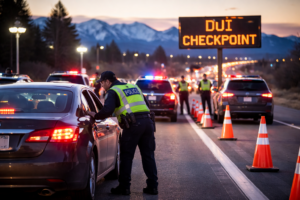
DUI checkpoints are locations where law enforcement officers stop vehicles to check drivers for signs of impaired driving. The goal of these checkpoints is to reduce accidents and fatalities caused by impaired driving, particularly during times when alcohol consumption increases. While DUI checkpoints are most common during major holidays like New Year’s Eve or Labor Day, they are also set up more frequently in the spring, especially around events where drinking is prevalent.
In Colorado, DUI checkpoints are strategically placed at locations where officers believe impaired driving is more likely, such as near popular bars, restaurants, or along highways with a history of DUI-related accidents. While it may seem inconvenient, these checkpoints are part of law enforcement’s ongoing efforts to keep the roads safer for everyone.
Why Spring Brings an Increase in DUI Checkpoints
As the weather improves, people tend to spend more time outdoors, and this often leads to an increase in social gatherings, barbecues, and festivals where alcohol is served. Spring break also brings a spike in drinking, as college students and others take time off from school and work. This increased alcohol consumption creates a greater risk of impaired driving, prompting law enforcement agencies in Colorado to set up more DUI checkpoints during this time of year.
Furthermore, with events like St. Patrick’s Day, spring break parties, and festivals, law enforcement expects a rise in the number of impaired drivers. DUI checkpoints serve as a deterrent and an active way to catch those who may be putting themselves and others at risk on the road.
When you need legal help, Mark Hanchey and Ben Peterson are here to guide you through it all. One step at a time. Reach out today for legal support. Get The Law Firm of Mark S. Hanchey and Ben Peterson fighting for you.
With You Every Step of the Journey
When and Where DUI Checkpoints Are Typically Set Up
DUI checkpoints are most often set up around busy times such as weekends, holidays, and during significant events. In Colorado, you may encounter a checkpoint when traveling near popular nightlife areas, restaurants, or highways frequently used for long trips or commutes. Although law enforcement does not always publicly announce the exact locations of DUI checkpoints, they do follow certain patterns and trends.
Common areas for DUI checkpoints in Colorado include:
- Near popular tourist attractions or entertainment districts: These areas attract a large number of visitors and are often associated with higher alcohol consumption.
- On major roads and highways: Areas where people are commuting or driving longer distances are frequently targeted for DUI stops.
- During evening hours and weekends: DUI checkpoints tend to be set up during times when alcohol-related driving is more prevalent, such as late-night hours and on weekends.
Law enforcement agencies may also release information about planned DUI checkpoints in advance, especially when they anticipate high alcohol consumption. It’s essential to check local news and law enforcement websites for updates during the spring season.
What You Can Expect at a DUI Checkpoint
If you approach a DUI checkpoint, you can expect to be stopped briefly. Officers will typically ask to see your driver’s license, registration, and proof of insurance. They may also ask basic questions like where you’re coming from and whether you’ve been drinking. If they suspect you are intoxicated, they may conduct a sobriety test or ask you to submit to a breathalyzer test. However, it’s important to remember that not every driver will be stopped. Law enforcement uses a random selection process to ensure fairness.
Bridgette Carabajal I've had the pleasure of working with Mr. Hanchey on two occasions, and each interaction has been nothing short of exceptional. His professional demeanor, coupled with the outstanding support from his staff significantly alleviated any anxieties I had. I am thoroughly satisfied with the outcomes achieved. Should the need for legal representation arise in the future, Mr. Hanchey will undoubtedly be my first choice. Lucas Garcia Mark Hanchey has been excellent. I spoke with him last minute before my court date. He still showed up to court with me and was very caring and helped me before I had even officially hired him. I felt like he cared about me and my case. He knows his craft very well and you can tell that the judge and other attorneys respect him when he is in court. He is also very kind. I recommend him to anyone. An excellent attorney. Renee Braucht I had an amazing experience with the Hanchey Law Firm! Mr. Hanchey got me the absolute best result I could have imagined for my case. I can’t even tell you how many times I’ve heard, “wow, you must have had a really good lawyer!” when discussing the result. I live far from Colorado Springs, but I will forever make the trip for this firm when I need them! Highly recommend! David Walker I have needed to use a lawyer a couple of times over the past several years and have used Mark Hanchey. He is a very down to earth person who has always treated me with dignity and has always been straight forward. His staff has also been professional and friendly. Each time I used Mark Hanchey the result was a positive one. I also think his fees are reasonable. I cant say enough good about Mark Hanchey.
While you may feel nervous, staying calm and polite can make the process go smoothly. Keep in mind that DUI checkpoints are intended to ensure public safety, not to create unnecessary hassle for drivers.
What Are Your Rights at a DUI Checkpoint in Colorado?
If you are stopped at a DUI checkpoint in Colorado, it’s important to know your rights and understand how to handle the situation. Here are a few key points to keep in mind:
- Right to remain silent: You have the right not to answer questions about your whereabouts or whether you’ve been drinking. You can politely refuse to answer questions beyond providing your license, registration, and insurance.
- Right to refuse field sobriety tests: In Colorado, you are not legally required to perform a field sobriety test. If asked to do so, you can refuse. However, this may result in a more thorough investigation, including a breathalyzer test, and could have consequences such as a temporary suspension of your license.
- Right to refuse a breathalyzer test (with consequences): While refusing a breathalyzer test is allowed, Colorado operates under implied consent laws. Refusing to take a breathalyzer test can result in an automatic license suspension for up to one year. If you consent to the test and are found to be over the legal limit, your license may be suspended, and you may face criminal charges.
How to Prepare for DUI Checkpoints This Spring
Although you can’t always predict when you’ll encounter a DUI checkpoint, there are steps you can take to stay safe and avoid any legal trouble:
- Plan your route ahead of time: If you’re heading out for a spring break event or social gathering, consider mapping out your route and checking local news or law enforcement websites for announcements of DUI checkpoints.
- Consider using a designated driver or rideshare service: If you plan to drink, using a rideshare service like Uber or Lyft is a great way to ensure you’re not driving under the influence. Alternatively, appoint a designated driver who is sober to take everyone home.
- Avoid driving late at night or during peak DUI times: DUI checkpoints are often set up during evening hours, so consider traveling earlier in the day to avoid the risk of encountering a checkpoint.
- Ensure your vehicle is in good condition: A broken taillight or other minor violations can draw attention at a checkpoint. Make sure your vehicle is in good working order before hitting the road.
Penalties for DUI in Colorado: What You Could Face
Driving under the influence is a serious offense in Colorado, and the penalties for a DUI conviction can be severe. Depending on the circumstances of your case, you could face the following consequences:
- Fines: A first-time DUI offense in Colorado can result in fines ranging from $600 to $1,000. Subsequent offenses result in higher fines.
- License suspension: You may face a license suspension ranging from several months to a year, depending on whether it is your first or subsequent offense.
- Alcohol education and therapy: As part of your sentence, you may be required to attend alcohol education courses or therapy sessions.
- Jail time: While first-time offenders may not face jail time, repeat offenders may be sentenced to time behind bars.
- Probation or community service: Some DUI offenders may be sentenced to probation or required to complete community service as part of their penalty.
If you are arrested for DUI during a checkpoint or at any time, it’s critical to take action quickly. Contact an experienced DUI defense attorney to help protect your rights and navigate the legal system. At the Law Firm of Mark S. Hanchey and Ben Peterson, we understand the complexities of DUI laws in Colorado and are here to help you fight for the best possible outcome.
To learn more about this subject click here: Understanding Underage DUI: Legal Consequences and Defense Options