The Law Firm of Mark S. Hanchey and Ben Peterson in Colorado Springs understands how seasonal weather changes can play a major role in accidents across the state. Spring in Colorado is a transitional season, characterized by unpredictable swings in temperature, precipitation, and road conditions. Morning frost may turn into afternoon rain, snow can linger in shaded areas, and sun glare may reflect off wet pavement, all contributing to dangerous driving conditions. These environmental factors increase the likelihood of car accidents, bicycle collisions, pedestrian injuries, and motorcycle crashes. The unpredictable nature of spring weather means that drivers, cyclists, and pedestrians must be constantly vigilant, and when accidents occur, understanding how these conditions factor into liability and claims is essential for protecting your rights and securing fair compensation.







Unique Challenges Posed by Spring Conditions 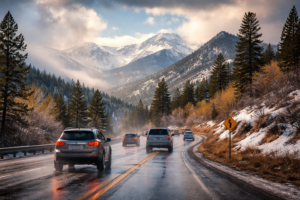
Colorado’s spring brings challenges distinct from other seasons. Melting snow can create patches of ice that catch drivers off guard, especially in areas that receive little sunlight during the day. Rainstorms can quickly accumulate on roads, forming puddles and creating hydroplaning hazards, while potholes that were hidden under winter snow become a serious risk for drivers and cyclists alike. Additionally, spring is a time when more pedestrians take to sidewalks and crosswalks, and motorcyclists return to the road after winter storage, increasing exposure to hazardous conditions. These risks combine to create a higher incidence of accidents, many of which involve multiple vehicles or result in serious injuries. Insurance companies and courts often examine weather conditions when assessing liability, making it crucial to document the environment and understand how it may have contributed to the incident.
How Weather Affects Liability in Claims
Under Colorado law, drivers are expected to exercise reasonable care at all times, including adjusting their behavior to account for weather conditions. When an accident occurs during the variable spring months, insurers and legal professionals look at whether drivers:
- Adjusted speed for wet or icy roads.
- Maintained safe following distances in poor visibility.
- Had vehicles properly maintained with functioning brakes and tires suitable for the conditions.
- Exercised caution around pedestrians and cyclists in high-traffic areas.
In many cases, spring weather can complicate liability determinations. A driver may argue that slick roads caused a collision, while another party may have contributed through distracted driving or failure to yield. Skilled legal representation from the Law Firm of Mark S. Hanchey and Ben Peterson can help navigate these complexities, gathering evidence that demonstrates the role of weather while also proving negligence where it exists.
When you need legal help, Mark Hanchey and Ben Peterson are here to guide you through it all. One step at a time. Reach out today for legal support. Get The Law Firm of Mark S. Hanchey and Ben Peterson fighting for you.
With You Every Step of the Journey
Common Types of Accidents in Spring
Certain accidents are more prevalent during spring due to environmental factors. Automobile collisions often spike in March through May, particularly rear-end crashes and intersection collisions caused by sudden stops on wet or icy roads. Pedestrian accidents increase as people spend more time outdoors, navigating sidewalks and crosswalks that may be slippery from melted snow or rain. Bicycle accidents are common as riders return to streets, where potholes, debris, and uneven pavement present hazards. Motorcycle accidents are heightened by changing traction conditions, including wet roads and temperature fluctuations that affect tire performance. Each of these accident types carries unique considerations for insurance claims and legal actions, making it important to consult experienced attorneys who understand Colorado’s seasonal challenges.
Documenting the Scene for Claims
Accurate documentation is essential in establishing liability and supporting compensation claims. When weather contributes to an accident, steps include:
- Photographing the road surface, surrounding environment, and any visible hazards.
- Noting lighting conditions, visibility, and any weather-related impairments.
- Collecting witness statements before memories fade.
- Preserving repair and medical records related to injuries and damages.
By thoroughly recording the conditions and impact, a case can clearly show whether environmental factors, driver behavior, or a combination of both contributed to the incident. This documentation is crucial in ensuring that insurance companies and courts understand the full context.
Working With Experienced Attorneys
Engaging an attorney familiar with weather-related accidents in Colorado Springs can provide significant advantages. Legal professionals can:
- Analyze accident scenes to determine the influence of weather on liability.
- Gather and present evidence effectively, including traffic reports and weather data.
- Negotiate with insurers who may attempt to reduce payouts by attributing accidents solely to weather.
- Provide guidance on filing claims for car, bicycle, pedestrian, and motorcycle accidents.
For instance, a client who slipped on an icy sidewalk during an unexpected March snowfall was able to pursue a premises liability claim with the firm’s guidance, demonstrating that property owners have a duty to maintain safe conditions even during transitional weather.
Bridgette Carabajal I've had the pleasure of working with Mr. Hanchey on two occasions, and each interaction has been nothing short of exceptional. His professional demeanor, coupled with the outstanding support from his staff significantly alleviated any anxieties I had. I am thoroughly satisfied with the outcomes achieved. Should the need for legal representation arise in the future, Mr. Hanchey will undoubtedly be my first choice. Lucas Garcia Mark Hanchey has been excellent. I spoke with him last minute before my court date. He still showed up to court with me and was very caring and helped me before I had even officially hired him. I felt like he cared about me and my case. He knows his craft very well and you can tell that the judge and other attorneys respect him when he is in court. He is also very kind. I recommend him to anyone. An excellent attorney. Renee Braucht I had an amazing experience with the Hanchey Law Firm! Mr. Hanchey got me the absolute best result I could have imagined for my case. I can’t even tell you how many times I’ve heard, “wow, you must have had a really good lawyer!” when discussing the result. I live far from Colorado Springs, but I will forever make the trip for this firm when I need them! Highly recommend! David Walker I have needed to use a lawyer a couple of times over the past several years and have used Mark Hanchey. He is a very down to earth person who has always treated me with dignity and has always been straight forward. His staff has also been professional and friendly. Each time I used Mark Hanchey the result was a positive one. I also think his fees are reasonable. I cant say enough good about Mark Hanchey.
Preventing Spring Accidents
While legal support is essential after an accident, prevention remains the first line of defense. Steps for minimizing risk include:
- Adjusting driving speeds according to road conditions, including slowing for wet, icy, or debris-laden streets.
- Increasing following distance to account for longer stopping distances on slick surfaces.
- Being alert to pedestrians and cyclists, particularly near parks, schools, and commercial areas.
- Ensuring vehicles are maintained with proper brakes, tires, and windshield wipers.
- Using headlights in low-visibility conditions such as rain, fog, or snow glare.
By taking these precautions, drivers can reduce the likelihood of collisions and potentially mitigate liability if an accident does occur.
Internal Resources for Guidance
For individuals navigating the aftermath of an accident, the firm provides valuable guidance and steps for claims. Resources include How to File a Car Accident Claim in Colorado, Steps to Take If You’re Hit by a Car While Biking, and Navigating the Aftermath of a Bike Accident in Colorado. These guides explain critical steps to document the scene, communicate with insurers, and preserve your rights.
Spring weather in Colorado Springs introduces unique challenges for drivers, cyclists, and pedestrians. Rapidly changing conditions can lead to accidents that involve complex liability considerations. If you or a loved one has been involved in a weather-related accident, the Law Firm of Mark S. Hanchey and Ben Peterson can provide experienced legal support to help you understand your rights, gather evidence, and pursue fair compensation. Acting promptly and consulting skilled attorneys ensures that your claim reflects both the environmental factors and the responsibility of other parties. Protecting your interests after a springtime accident begins with thorough documentation, professional guidance, and a clear understanding of how seasonal conditions affect Colorado accidents.
Disclaimer
This content is for informational purposes only and is not legal advice. Consult an attorney about your specific situation.
To learn more about this subject click here: How Medical Records Are Used in Colorado Personal Injury Cases