October in Colorado is a beautiful yet challenging time for motorcycle riders. The leaves change color and fall from the trees, creating a picturesque scene for anyone out on the road. However, this time of year also brings new risks. The combination of slippery leaves and early frost creates hazardous driving conditions that increase the likelihood of motorcycle crashes. Understanding how fault is determined in these types of accidents is crucial for riders involved in such incidents.
The Role of Weather Conditions in Motorcycle Accidents 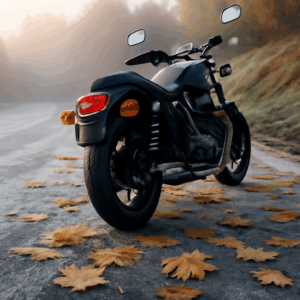
Weather conditions play a significant role in motorcycle crashes. October in Colorado often brings fluctuating temperatures, and these changes can create dangerous road surfaces. Frost in the early mornings or on shaded parts of the road can create unexpected challenges for riders. Leaves, especially when wet or covered in frost, can make the road slippery, reducing traction for motorcycle tires.
When an accident happens during these conditions, the court or insurance companies will likely consider whether the rider was prepared for such weather. Was the rider aware of the possibility of frost or slick leaves, and did they adjust their speed or riding style accordingly? If the rider failed to adjust their speed or was riding too fast for the conditions, they may be found partially at fault.
On the other hand, if the road conditions were particularly hazardous due to weather and the rider had no reasonable way of avoiding them, the responsibility might shift to other parties, such as government entities or local authorities. For example, if the road was poorly maintained or lacked necessary warning signs about frost, the government or road maintenance contractors could be held liable for the crash. This is why it is important to look closely at the specific weather conditions and how they contributed to the crash when determining fault.
The Importance of Adjusting to Road Conditions
One of the most common contributing factors to motorcycle accidents in October is a failure to adjust to changing road conditions. While many riders are experienced, they might not anticipate the impact of fall weather on their bikes or the road conditions. When leaves fall, they create slick spots that can cause a rider to lose control. Wet leaves, in particular, can create a layer of grease on the road that feels like ice, making it challenging for even seasoned riders to stay balanced.
Frost is another danger that comes with the fall season. It often forms in shaded areas or during the early mornings before the sun has had a chance to melt it away. The frost can make the road as slick as ice, and if a motorcyclist is not cautious, they might lose control, leading to an accident. While motorcyclists are aware of the risks that come with riding, these weather changes can catch them off guard if they aren’t prepared.
In legal terms, if a rider was traveling too fast for the conditions or failed to account for the hazards that fall weather brings, they could be considered partially or fully at fault for the crash. This is especially true in states like Colorado, where weather can change rapidly, and conditions such as frost may not always be visible at first glance.
Responsibility of Other Drivers on the Road
It is not just the weather that can contribute to a motorcycle accident. The actions of other drivers on the road can play a crucial role in determining fault. For example, distracted drivers who do not see a motorcyclist on a slippery road may cause a crash. In Colorado, like many other states, drivers are required by law to pay attention to the road and avoid distractions such as texting, eating, or using their phones while driving.
If another driver’s distraction causes an accident, they may be found liable for the crash, even if the weather conditions played a role. In these cases, it is essential to gather evidence such as witness statements or dashcam footage to prove that the other driver’s negligence was a contributing factor.
In some cases, other drivers may fail to yield or give motorcyclists enough space, particularly in tricky road conditions. For example, a driver cutting off a motorcyclist on a slick road could cause the rider to swerve and lose control, leading to an accident. In these situations, the driver who did not yield or failed to provide a safe space on the road could be found at fault for the crash.
Government and Road Maintenance Responsibilities
In certain situations, the government or local municipalities can also be held responsible for accidents caused by poor road conditions. Colorado’s Department of Transportation (CDOT) is responsible for maintaining the roads and ensuring that they are safe for drivers, including motorcyclists. If a road is not properly maintained—such as if leaves are not cleared from the road or if frost is not treated with salt or other materials—the government could be held liable for any accidents that occur as a result.
In cases where the government failed to maintain the road properly, or if the road was not adequately signed to warn of frost or other hazards, the rider may not be at fault. The government or the entity responsible for road maintenance might be held liable for the accident. This is especially true if it can be shown that the condition of the road directly contributed to the accident.
If you are involved in an accident and believe that poor road maintenance was a contributing factor, it is important to gather evidence such as photos of the road conditions, witness statements, and reports from the local authorities to support your case.
What Happens if the Rider Is Partially at Fault?
In many motorcycle accident cases, fault is not always black and white. In some situations, both the rider and another party—whether a driver or the government—may share responsibility for the crash. This is especially common in cases involving weather conditions, as both the rider and other parties may contribute to the accident in different ways.
If a motorcyclist is found to be partially at fault for the crash, their ability to recover damages may be reduced. For example, if the court determines that the rider was speeding or failed to adjust their riding style for the weather conditions, their compensation could be decreased based on their percentage of fault. However, if the other party is found to be more at fault, the motorcyclist could still recover a significant portion of the damages.
In Colorado, the comparative fault rule is used to determine how damages are awarded when multiple parties are at fault. This means that the rider’s share of responsibility for the accident will be compared to the other parties involved, and the compensation will be adjusted accordingly. For instance, if the rider is found to be 30% at fault and the other driver is 70% at fault, the rider’s damages will be reduced by 30%.
Consulting with an Experienced Motorcycle Accident Attorney
If you are involved in a motorcycle accident during the fall months in Colorado, it is crucial to consult with an experienced attorney who can help you navigate the complexities of fault determination. Weather conditions like slippery leaves and frost can complicate a case, and it may be difficult to prove who is responsible without legal assistance.
An experienced attorney will be able to investigate the circumstances of the accident, gather evidence, and help you understand your legal rights. Whether it’s gathering witness statements, reviewing road maintenance records, or negotiating with insurance companies, an attorney can provide valuable support to ensure you receive the compensation you deserve.
Motorcycle accidents in Colorado during October can be especially dangerous due to the combination of slippery leaves and early frost. Determining fault in these cases can be complex, as multiple factors—such as weather, road conditions, and other drivers—can contribute to the crash. By understanding how fault is determined and consulting with an experienced attorney, motorcyclists can protect their rights and ensure they receive fair compensation for their injuries.
If you’ve been involved in a motorcycle accident in Colorado, it’s essential to contact the Law Firm of Mark S. Hanchey and Ben Peterson. With years of experience handling motorcycle accident cases, we can help you navigate the legal process and fight for the compensation you deserve. Contact us today for a free consultation.
To learn more about this subject click here: What to Do After a Motorcycle Accident in Colorado A Step-by-Step Guide