As the snow melts and temperatures rise, Colorado Springs becomes a hub of pedestrian activity. More residents and visitors are walking to enjoy parks, trails, and city streets. This seasonal surge in foot traffic correlates with a higher incidence of pedestrian accidents. The Law Firm of Mark S. Hanchey and Ben Peterson frequently assists victims during this time, providing legal guidance to help individuals navigate complex claims, understand their rights, and pursue compensation for injuries. Awareness of the common causes of accidents and understanding the legal options available under Colorado law are essential for protecting yourself and your loved ones.



Primary Causes of Pedestrian Accidents 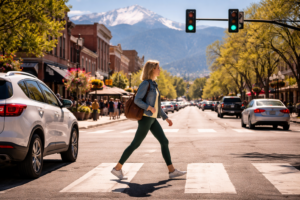
Pedestrian accidents in Colorado Springs are often caused by a combination of driver negligence and environmental factors. Distracted driving remains a leading contributor; drivers using cell phones, adjusting GPS systems, or interacting with in-car technology may fail to notice pedestrians. Another common factor is failure to yield at crosswalks or intersections, a violation punishable under Colorado Revised Statutes §42-4-1004. Speeding further exacerbates the severity of accidents, making even minor collisions potentially life-threatening. Poor visibility, especially during early morning or evening hours, creates additional risk, and drivers under the influence of alcohol or drugs significantly increase the likelihood of a pedestrian being struck. Environmental factors, such as road construction, poorly lit streets, or slippery conditions after spring rains, also play a role in the rising accident rates.
Understanding Legal Options After an Accident
Victims of pedestrian accidents have several avenues for pursuing justice and compensation. Personal injury claims allow individuals to recover costs associated with medical treatment, lost wages, and physical or emotional suffering. Filing claims with the at-fault driver’s insurance company is often the first step, but insurance policies may have limits that make legal action necessary to secure full recovery. In certain situations, third-party claims may be appropriate. If a municipality failed to maintain safe sidewalks or streets, or if a property owner’s negligence contributed to the accident, additional claims may be available. In cases where a driver was intoxicated, criminal charges may run concurrently with civil claims, adding layers of complexity that require careful legal guidance.
Colorado’s Comparative Fault Rule
Colorado applies a comparative fault system, meaning that if a pedestrian is partially responsible for an accident, the compensation awarded may be reduced proportionally. For instance, crossing outside a marked crosswalk or failing to heed traffic signals could decrease recoverable damages, even if the driver is primarily at fault. An experienced attorney can help determine the appropriate allocation of fault, ensuring that you receive the maximum possible compensation. Comparative fault analysis often requires detailed investigation of accident reports, witness statements, and visual evidence from the scene.
When you need legal help, Mark Hanchey and Ben Peterson are here to guide you through it all. One step at a time. Reach out today for legal support. Get The Law Firm of Mark S. Hanchey and Ben Peterson fighting for you.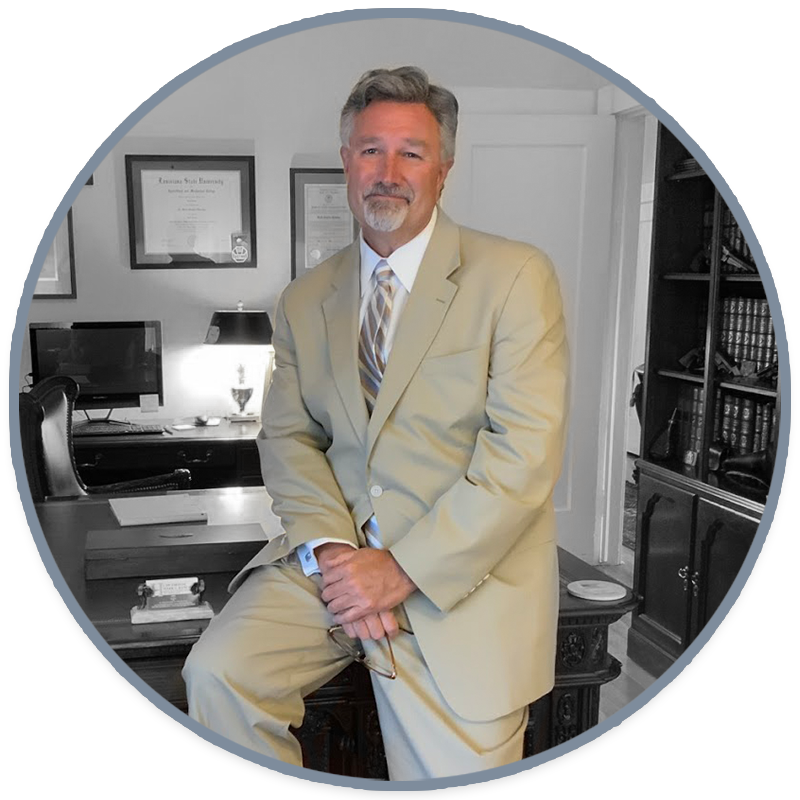
With You Every Step of the Journey
Immediate Steps to Protect Your Rights
The actions taken immediately after a pedestrian accident can significantly influence the outcome of a claim. First, seek medical attention for any injuries, even if they initially seem minor, as this provides documentation of the harm caused. Next, document the accident scene thoroughly: take photographs of injuries, vehicles, crosswalks, traffic signals, and road conditions. Collect contact information from witnesses and ensure that law enforcement is notified so a police report is filed. Avoid providing statements to insurance adjusters without consulting an attorney, as early communications can impact the value of your claim. Prompt consultation with the Law Firm of Mark S. Hanchey and Ben Peterson ensures that deadlines are met under Colorado statutes and that all legal avenues are explored for maximum recovery.
Role of an Experienced Colorado Springs Attorney
An attorney specializing in pedestrian accidents can guide victims through every stage of a claim. Attorneys review evidence to determine liability, calculate the full extent of damages including future medical expenses and long-term care, negotiate with insurance companies, and represent clients in court if necessary. Legal representation is especially important in cases involving multiple parties, disputes over fault, or serious injuries. The firm’s local expertise ensures familiarity with Colorado Springs courts, judges, and insurance companies, providing clients with a strategic advantage. With an attorney, victims can focus on recovery while ensuring that their rights are protected and their claims are properly presented.
Bridgette Carabajal I've had the pleasure of working with Mr. Hanchey on two occasions, and each interaction has been nothing short of exceptional. His professional demeanor, coupled with the outstanding support from his staff significantly alleviated any anxieties I had. I am thoroughly satisfied with the outcomes achieved. Should the need for legal representation arise in the future, Mr. Hanchey will undoubtedly be my first choice. Lucas Garcia Mark Hanchey has been excellent. I spoke with him last minute before my court date. He still showed up to court with me and was very caring and helped me before I had even officially hired him. I felt like he cared about me and my case. He knows his craft very well and you can tell that the judge and other attorneys respect him when he is in court. He is also very kind. I recommend him to anyone. An excellent attorney. Renee Braucht I had an amazing experience with the Hanchey Law Firm! Mr. Hanchey got me the absolute best result I could have imagined for my case. I can’t even tell you how many times I’ve heard, “wow, you must have had a really good lawyer!” when discussing the result. I live far from Colorado Springs, but I will forever make the trip for this firm when I need them! Highly recommend! David Walker I have needed to use a lawyer a couple of times over the past several years and have used Mark Hanchey. He is a very down to earth person who has always treated me with dignity and has always been straight forward. His staff has also been professional and friendly. Each time I used Mark Hanchey the result was a positive one. I also think his fees are reasonable. I cant say enough good about Mark Hanchey.
Preventive Measures for Pedestrians and Drivers
While legal options exist after an accident, prevention is critical to reducing risk. Pedestrians should use crosswalks, obey traffic signals, remain attentive while crossing streets, and wear visible clothing during low-light hours. Drivers must slow down in areas with high pedestrian traffic, avoid distractions, follow posted speed limits, and exercise caution near schools, parks, and residential zones. Community initiatives, such as improved street lighting, pedestrian signals, and traffic calming measures, can also mitigate risk and enhance safety during the busy spring season.
Maximizing Compensation Through Legal Action
Victims often wonder how to ensure they receive fair compensation. Experienced attorneys help clients document injuries comprehensively, gather expert testimony, and negotiate settlements that account for both immediate and long-term costs. This includes medical bills, rehabilitation, lost income, pain and suffering, and diminished quality of life. Legal professionals can also advise on pursuing additional claims when municipal negligence or unsafe road conditions contribute to accidents. Engaging an attorney early increases the likelihood of favorable outcomes, particularly in cases involving serious injuries or contested liability.
Why Timing Matters in Colorado Pedestrian Cases
Colorado law imposes strict statutes of limitation for personal injury claims, generally requiring legal action within two years of the accident. Waiting too long can forfeit the right to recover damages, making prompt legal consultation essential. Additionally, early investigation helps preserve evidence, obtain witness statements, and accurately assess the accident scene. Timely engagement of an attorney like the Law Firm of Mark S. Hanchey and Ben Peterson ensures that claims are filed correctly and deadlines are met, preventing unnecessary obstacles in the recovery process.
Spring in Colorado Springs brings the promise of warmer weather and outdoor activity but also a heightened risk of pedestrian accidents. Drivers, pedestrians, and communities share responsibility for safety, yet accidents still occur. Understanding legal options, acting promptly, and engaging experienced counsel are critical steps for protecting rights and pursuing fair compensation. The Law Firm of Mark S. Hanchey and Ben Peterson provides expert guidance to navigate the legal process, advocate for injured pedestrians, and ensure recovery is maximized. By combining awareness, preventive measures, and knowledgeable legal support, victims can better handle the aftermath of accidents and secure their future.
Disclaimer
This content is for informational purposes only and does not constitute legal advice. Consult a qualified attorney regarding your specific situation.
To learn more about this subject click here: Pedestrian Accidents at Crosswalks Legal Considerations in Colorado