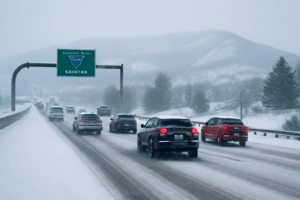
Early Snow, Early Crashes: What to Do After a Pileup on I-25 Through Colorado Springs
Colorado Springs and the surrounding Pikes Peak region experience early winter storms that catch many drivers off guard. While the first snowstorm is exciting for some, it can be a hazardous reality for others. Drivers who haven’t adjusted their winter driving habits or haven’t properly winterized their vehicles often end up in accidents due to unexpected road conditions.I-25, one of the busiest highways in Colorado, becomes particularly treacherous. When temperatures drop, snow quickly transforms into ice, especially on bridges, overpasses, and areas of the road that are shaded. A seemingly minor spin-out on a stretch of I-25 can lead to a chain reaction, causing significant traffic pileups. As snow accumulates and visibility worsens, drivers are at greater risk of following too closely or making unsafe lane changes, resulting in multi-vehicle collisions.
Immediate Steps to Take After a Pileup on I-25
After a pileup, your first concern should be ensuring the safety of yourself and others involved. However, as chaotic as the situation may seem, there are vital actions that can help you protect your claim and preserve evidence for later use.
Check for Injuries: The first thing you should do is check yourself and your passengers for injuries. If anyone is injured, immediately call 911 to report the accident and request medical assistance. Even if no one seems hurt, it’s a good idea to seek medical evaluation later, as some injuries, especially those caused by whiplash, may not be immediately noticeable.
Move to Safety (If Possible): If your car is drivable and it’s safe to do so, move it to the shoulder or a nearby safe area. Turn on your hazard lights to warn other drivers and reduce the chance of further collisions. However, do not attempt to leave the scene until the police arrive, unless your vehicle is posing a danger.
Avoid Getting Between Vehicles: In the chaos of a pileup, secondary collisions are common. Stay behind barriers or guardrails to keep yourself protected from other moving vehicles. Do not stand between cars.
Call the Authorities: Contact the police to report the accident, especially if multiple vehicles are involved. Be as clear and concise as possible, and avoid making assumptions about fault. It’s also helpful to get a police report, which will play a crucial role in your insurance claim.
How to Document the Scene Effectively
One of the most important things you can do in the aftermath of a crash is to collect and document as much evidence as possible. This can make all the difference in proving fault and protecting your legal rights.
Take Photos and Videos: Document the positions of the vehicles involved, road conditions, and any signs of poor weather, such as snow, ice, or fog. Photos of skid marks, vehicle damage, and even the state of the road will all provide valuable context for your case.
Note the Time and Location: Take note of the time of the crash and its specific location. Mile markers, exits, and visible landmarks can all help provide clarity in reconstructing the incident later.
Gather Witness Information: Ask for contact information from any witnesses, including other drivers and bystanders. Witness testimonies can strengthen your case and help establish the chain of events that led to the pileup.
The Role of Medical Care After a Collision
In the aftermath of a crash, it’s easy to assume you’re okay, especially if you don’t feel immediate pain. However, injuries from car accidents often become apparent hours or days later.Why Medical Care is Crucial:
Delayed Symptoms: Injuries such as whiplash or concussions can take time to manifest. Seeking medical care right away ensures that any injuries are documented in your records, creating a stronger link between the accident and your injuries.
Consistent Medical Documentation: Every follow-up visit to your doctor should be documented to establish an accurate medical history, showing that your injuries were caused by the crash.
Understanding How Multi-Vehicle Claims Differ from Single-Car Crashes
When multiple vehicles are involved in an accident, it’s much more complicated to determine fault. There are several factors that can influence how the claim will be handled:
Layered Liability: In a pileup, one driver may trigger the initial collision, while others could worsen the situation by not slowing down in time. This creates a complex web of liability.
Insurance Adjusters: Multiple insurance companies will likely be involved, and each one will try to minimize its own payout. You’ll need to navigate multiple adjusters and avoid settling too early.
Witness Testimony and Police Reports: A clear record of the crash from the police report and witnesses will be crucial in determining fault. Make sure that the details of your accident are accurately reflected in any official reports.
The Importance of Legal Counsel in Pileup Accidents
If you’ve been involved in a multi-vehicle accident, especially one caused by poor winter conditions, it’s essential to seek legal advice. The Law Firm of Mark S. Hanchey and Ben Peterson can help you navigate the complexities of your claim. Their experienced attorneys can ensure that you don’t fall victim to common mistakes, such as:
Inconsistent Statements: Insurance adjusters may ask for a recorded statement soon after the accident, and it’s crucial to be careful with your words. A lawyer can help ensure you provide accurate statements that don’t unintentionally harm your case.
Comparative Fault: Colorado follows a comparative negligence law, meaning your compensation could be reduced if you are found partially at fault. An attorney can help establish a solid case to minimize any deductions.
Insurance Pitfalls to Avoid After a Pileup
Navigating insurance claims after an accident can be tricky. Here are some common mistakes to avoid:
Accepting a Quick Settlement: Insurance companies may offer you a quick settlement, but this often doesn’t account for the full extent of your injuries or the long-term consequences of the crash.
Neglecting Follow-Up Care: If you miss medical appointments or don’t follow through with treatments, it could be argued that your injuries weren’t serious or were caused by something else.
Social Media: Avoid posting about your accident or injuries on social media. Anything you share could be used against you in court.
Winter Driving Habits That Can Help Prevent Accidents
While it’s too late to avoid an accident after it happens, there are a few driving habits you can adopt to reduce your risk in the future:
Increase Your Following Distance: Winter roads require longer stopping distances. Increase the gap between your car and the vehicle ahead, even if it means driving slower than usual.
Slow Down Before Bridges and Curves: Bridges freeze before the rest of the road, and shaded areas can create icy patches. Approach these areas with caution and reduce your speed.
Check Your Tires and Vehicle Before Winter: Make sure your tires are in good condition and suited for winter weather. Also, keep your windshield wipers in top shape and have the fluid topped off.
When to Call the Law Firm of Mark S. Hanchey and Ben Peterson
If you’ve been involved in a pileup, it’s important to have experienced legal representation on your side. The Law Firm of Mark S. Hanchey and Ben Peterson can help you navigate the insurance claims process, gather critical evidence, and ensure you don’t make costly mistakes.Were you involved in a pileup on I-25 due to early snow and suffering injuries? Contact the Law Firm of Mark S. Hanchey and Ben Peterson for a free consultation. Our team will protect your rights and help you recover.